Emerging political, economic and social transformations in Southeast Asia
ANDREA HAEFNER AND SOVINDA PO | 30-MINUTE READ |
Introduction
Southeast Asia is undergoing significant political, economic, and social transformations that will shape the upcoming period until 2030. This brief identifies five key trends that are likely to define the region’s trajectory.
First, tariff shifts and broader economic pressures are reshaping trade patterns, investment flows, and industrial competitiveness, with implications for regional supply chains and long-term growth. Second, geopolitical tensions, particularly the Thai–Cambodian border dispute, continue to test diplomatic relations, border stability, and ASEAN’s conflict-management mechanisms. Thirdly, political re-configurations in Vietnam and Laos, including elite reshuffles and governance reforms, signal shifting power balances that will influence domestic policymaking. Fourthly, Vietnam’s construction and consolidation of artificial islands underscore intensifying maritime competition and highlight the strategic importance of the South China Sea. Finally, aid cuts and a progressively constrained civil society space are limiting non-state actors’ ability to engage in development, human rights advocacy, and environmental governance.
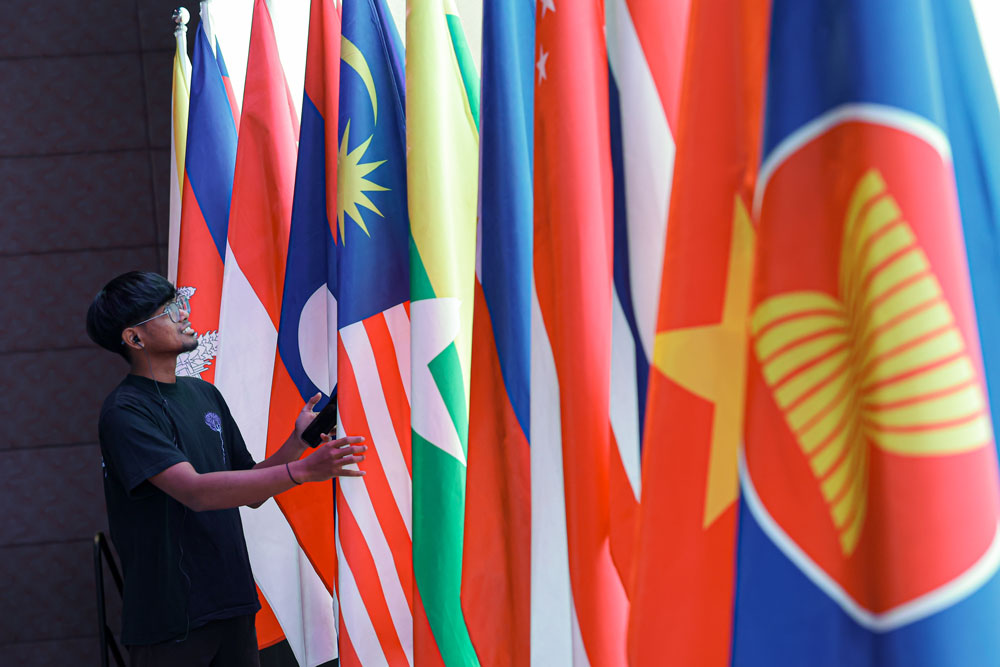
Taken together, these five trends capture the convergence of economic, political, security and social dynamics that are fundamentally reshaping Southeast Asia’s development trajectory and regional order. The significance lies not only in their individual impacts, but in the ways they reinforce one another—linking trade disruptions and geopolitical tensions with evolving governance structures and shrinking civic space. Examining these trends collectively provides a clearer understanding for why the region faces heightened risks alongside strategic opportunities, and why integrated, forward-looking policy responses are increasingly necessary.
Southeast Asia and the US’s Tariff: Bilateral negotiations and varied outcomes
Figure 1: Evolution of US Tariff Rates on ASEAN Countries in 2025
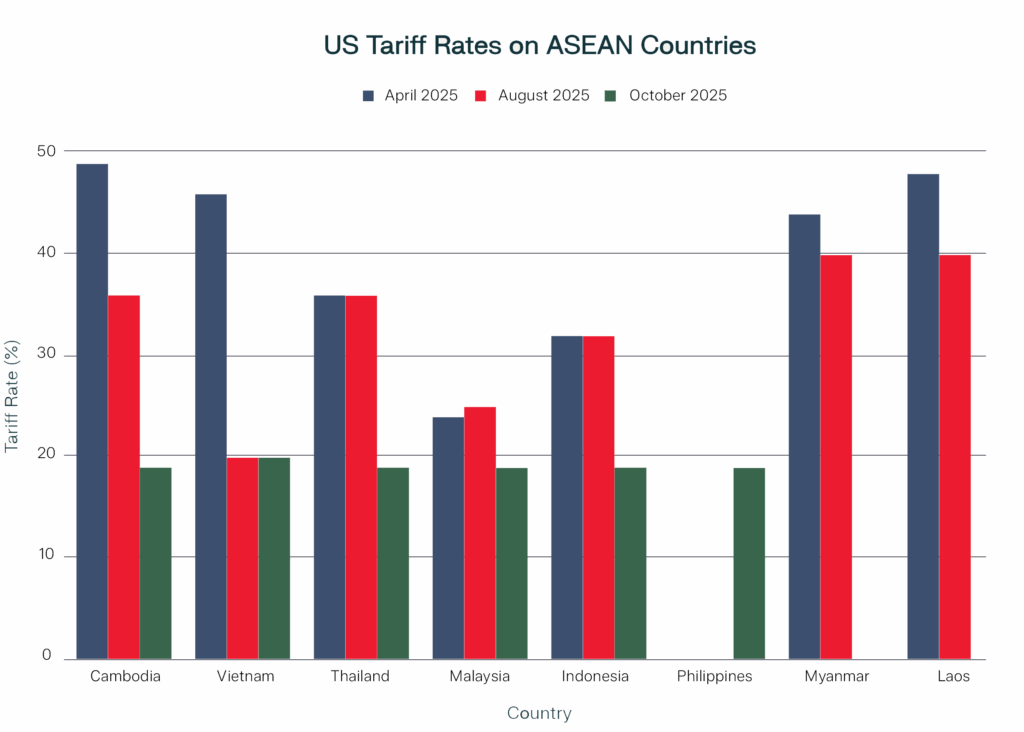
The United States implemented sweeping tariff changes dubbed “liberation day” by the US President in 2025, initially imposing high reciprocal tariffs on ASEAN countries ranging from 24 per cent to 49 per cent (see Graph 1). However, unlike Western countries that chose retaliatory tariffs, such as Canada against the US,[1] through diplomatic negotiations and bilateral agreements, several ASEAN member states secured significant reductions by October 2025.[2].
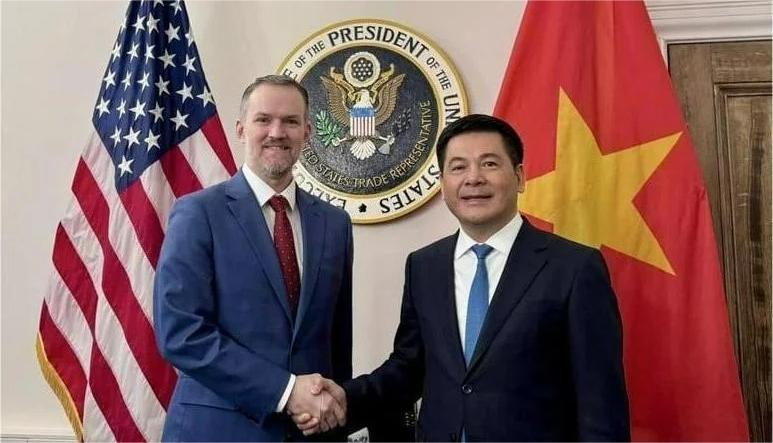
Vietnam secured a preferential rate of 20 per cent through bilateral negotiations, down from an initially proposed 46 per cent. As for Thailand, Malaysia, Indonesia, and the Philippines, they all achieved a standardised 19 per cent tariff rate through various agreements. This tariff standardisation reflects the US strategy of bilateral deal-making with individual ASEAN nations.[3] The United States concluded frameworks with these countries at the ASEAN Summit in Kuala Lumpur on 26 October 2025, with each agreement fixing exposure at 19–20 per cent and establishing pathways to zero tariffs once verification is achieved.[4]
Malaysia included a rare-earth cooperation clause guaranteeing export continuity, while Thailand removed duties on 99 per cent of US goods. Cambodia adopted customs reforms in exchange for participation, and certain products from Thailand, Malaysia, and Cambodia were granted 0 per cent tariff status under the new agreements.[5]
These bilateral agreements reflect a strategic shift in US trade policy, moving away from bloc-wide negotiations toward individual nation partnerships. However, ASEAN member states remain aware that the United States could unilaterally raise tariffs in the future for perceived implementation breaches or to address imports deemed threats to national security.[6] Moreover, subsequent US deals with other countries, including China, could undermine the competitive advantage ASEAN nations hoped to maintain through their bilateral agreements. Such concerns are fuelling their efforts to diversify trading relationships away from overreliance on the United States, as many Asian countries are urgently seeking to do.[7]
Interlinked, Southeast Asia’s position as a key player in global manufacturing is becoming even stronger, especially as companies seek to spread their supply chains out. Between 2019 and 2023, foreign direct investment (FDI) into Southeast Asia jumped by about 20 per cent, while FDI to China fell by 17 per cent. This “China+1” approach is a win for ASEAN countries, which offers a strong manufacturing base.[8]
In addition, ASEAN countries are using digital transformation to make trade smoother and supply chains run more efficiently. For example, Cambodia’s involvement in digital trade deals and green economy projects is setting the stage for future success in new areas.[9]
KEY TREND | Southeast Asia and the US’s tariffs
RECOMMENDATIONS:
- Southeast Asian nations should explore new trade agreements that reduce dependency on individual markets.
- Southeast Asian countries should continue to invest in digital infrastructure and technology to facilitate smoother trade and enhance supply chain efficiencies.
- The United States should consider reevaluating its tariff strategies by adopting a more stable and predictable approach to trade policies with ASEAN countries.
Violent Conflict: Thailand – Cambodia border dispute linking colonial-era mapping with modern sovereignty claims
The Cambodia–Thailand border dispute is chosen because it links colonial-era map ambiguities and the ancient temple case to modern sovereignty claims, demonstrating how historical borders remain politically explosive in Southeast Asia.[10] It also shows how domestic politics and nationalist mobilisation in both Bangkok and Phnom Penh repeatedly turn a localised dispute into a tool for regime legitimation and popular distraction.[11] Additionally, this case highlights the militarisation of otherwise minor boundary disagreements, with repeated clashes, evacuations, and civilian casualties demonstrating how quickly such disputes can escalate into broader security crises in this case and others.[12]
Cambodia formally notified the United Nations and submitted a request to the International Court of Justice (ICJ) on 15 June 2025, seeking a ruling on sovereignty over four disputed sites along the Thai-Cambodian border.[13] While Cambodia is aware that its manoeuvres at the ICJ would yield little to no fruitful outcome, this act of suing is a deliberate element of Cambodia’s diplomatic strategy, serving broader geopolitical objectives beyond the courtroom. By pursuing legal action, Phnom Penh positioned itself as a law-abiding actor, emphasising sovereignty and heritage preservation, thereby garnering sympathy and support from global and regional actors.[14] In the past, Cambodia frequently utilised legal proceedings as diplomatic tools to draw international attention to the border dispute and to pressure Thailand into engaging in dialogue.

Overall, nationalism has played a profound role in escalating the Thai–Cambodian border conflict. In both countries, political actors and media outlets have amplified nationalist narratives, framing the dispute as an expression of national pride and sovereignty. In Thailand, protest groups and opposition political factions have utilised the border issue to critique sitting governments, while Thai leaders and military officials often talk about sovereignty and national security during times of internal unrest to gain support from elites and appeal to nationalist voters.[15] Evidence shows that while Thailand uses diplomatic channels and ASEAN, it also makes strong statements, indicating a mix of engagement and public posturing. Hardline comments often surface around coups, protests, and elections, suggesting that leaders use nationalism to strengthen their regimes and alliances.
Although genuine legal and security needs may drive some policies, the frequent use of peaceful measures, such as MoUs, for crisis management suggests that domestic political strategies play a significant role. For example, even after signing the joint declaration with Cambodia on the eve of the 2025 ASEAN Summit, Thailand’s Prime Minister reaffirmed to his domestic audience that the declaration should be seen as a framework or roadmap towards peace, rather than a definitive resolution of the border dispute. The PM clarified that this step does not entail territorial concessions or immediate opening of borders, reassuring the public that the fundamental issues of sovereignty and border delineation remain unsettled and subject to ongoing dialogue. This statement, unsurprisingly, mirrors Bangkok’s past approach to calming its domestic audience.
Meanwhile in Cambodia, the Preah Vihear conflict has been deliberately invoked by state elites to consolidate political legitimacy and mobilise mass support. The militarisation of the border often reflected domestic political crises, transforming local disputes into diplomatic standoffs. Such politicisation has impeded de-escalation efforts and entrenched zero-sum thinking in public perceptions of the dispute.
Overall, the recurring clashes along the border inflicted casualties, displacement, and economic hardship on local communities. Neither government has disclosed statistics on the deaths. Civilians on both sides experienced disruptions to livelihood, education, and cross-border trade. The conflict also endangered world heritage sites, notably the Preah Vihear Temple and surrounding areas, which suffered structural damage from shelling.[16] Legally, the dispute underscores the tension between state sovereignty, territorial integrity, and international adjudication. From a humanitarian perspective, adherence to international humanitarian law and the protection of cultural property under the 1954 Hague Convention remain crucial. The conflict illustrates how cultural heritage can become both a bridge and a battlefield in interstate relations.[17]
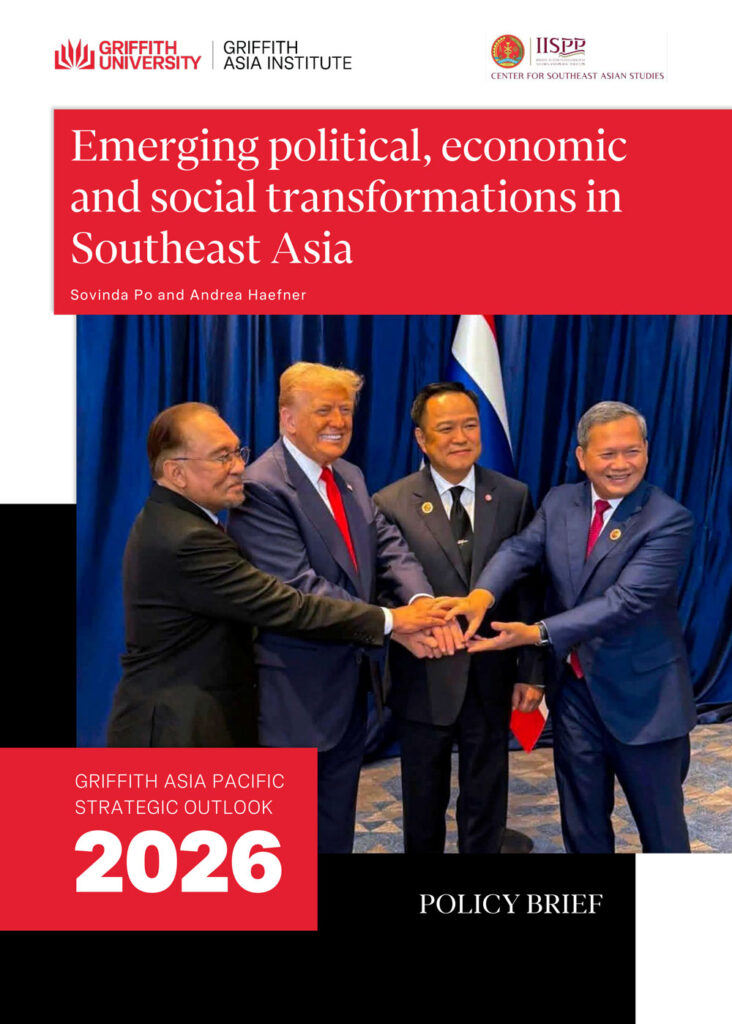
Both Cambodia and Thailand recognise that international law alone will not resolve this decades-long border dispute. Hence, on 26 October 2025, a joint declaration (which is not binding and was brokered by President Donald J. Trump and Prime Minister Anwar of Malaysia) agreed on by both Cambodia and Thailand signals a mutual understanding by both sides that a peaceful resolution is the only path forward.
Overall, this case reveals the limits of regional institutions, as ASEAN’s preference for consensus and non-interference has struggled to yield durable solutions despite the chair’s relentless mediation efforts.[18] The dispute further shows how international legal decisions, such as the ICJ rulings on Preah Vihear, do not automatically resolve conflicts when one party contests interpretations or claims to adjacent territories. This border dispute example encompasses broader regional patterns, including colonial legacies, politicised nationalism, weak institutional mechanisms for conflict management, and the tension between legal rulings and on-the-ground power realities in Southeast Asian border conflicts.
KEY TREND | Violent conflict: Thailand–Cambodia border dispute
RECOMMENDATIONS:
- Involvement of ASEAN and the International Court of Justice to find a legally grounded resolution to the conflict.
- Supporting regular diplomatic dialogues between Thailand and Cambodia, facilitated by a neutral third party.
- Advocating for other countries, including Australia, to resolve this conflict through international legal frameworks and engage regional partners to support a peaceful resolution.
Political re-configuration in Vietnam and Laos shaping the next 5 years
Vietnam and Laos are both undergoing significant political re-configuration, driven by leadership transitions, internal party dynamics, and shifting strategies for managing governance and external pressures, particularly in the lead-up to the relevant Party Congresses in early 2026. Although the two systems differ in scale and international visibility, they share structural features rooted in single-party rule, institutional conservatism, and state-led development. Recent changes reveal how both governments adjust political authority to maintain stability, manage elite competition, and respond to domestic and regional challenges that will impact the next few years and beyond.
Vietnam’s political architecture is undergoing significant re-organisation as the ruling Communist Party of Vietnam (CPV) prepares for its 14th Party Congress in January 2026, seeking to modernise state governance. After the death of long-time General Secretary Nguyễn Phú Trọng in July 2024 and the appointment of Tô Lâm as his successor[19], top leadership changes signalled consolidation of power within the party’s security-machinery faction. In February 2025, the National Assembly issued Resolution 176/NQ‑QH15[20] calling for the restructuring of the political system and local government apparatus ahead of the party congress.
These administrative reforms have been in effect since July 2025, including a reduction to fourteen ministries and three ministry-level agencies from the prior twenty-two. In addition, district-level administrative units were abolished with a two-tier system of provincial and communal governance in place.[21] Personnel changes have also flowed from this institutional re-arrangement. In November 2025, the Politburo announced new appointments, including General Trinh Van Quyet (from the army/police apparatus) as Chairman of the Party Central Committee’s Commission for Information, Education and Mass Mobilisation, and Le Minh Tri as Permanent Vice-Chair of the Party Central Committee’s Commission for Internal Affairs.[22] These appointments underline the growing influence of security-linked leaders.
Together, these developments reflect a tandem approach, streamlining the state for improved performance and pre-empting potential instability ahead of the congress, while cementing the party’s centralised control. The shift towards fewer administrative levels and agencies enhances the capacity of the CPV’s centre to oversee policy, personnel and governance.
Similarly, in Laos, the ruling Lao People’s Revolutionary Party (LPRP) is setting the scene for its 12th National Congress, scheduled for early 2026, by initiating institutional reforms and preparing leadership renewal with the key aim of graduating from least developed country status in 2026 by focusing on becoming an independent and self-reliant economy.[23]
A March 2025 resolution directed government and party bodies to restructure, emphasising the need for a leaner, more efficient apparatus. This includes the reduction from 17 ministries to 13 ministries since July 2025, including mergers and absorption of prior key ministries, including the Ministry of Planning and Investment and the Ministry of Energy and Mines.[24] The reform agenda emphasises organisational form, cost savings, and places preparation for leadership transition at its centre, including a potential generational shift and a more technocratic style of government.[25]
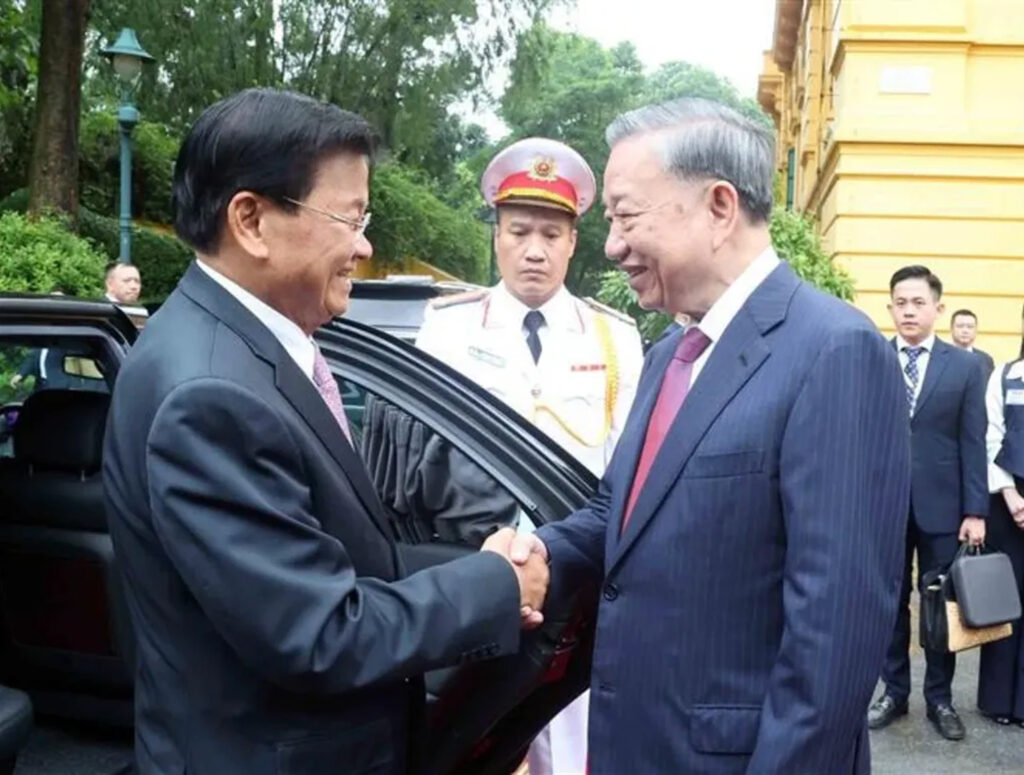
The economic challenges facing Laos, including rising debt, external dependency, labour migration, and slow growth, are heightening the imperative for the party to demonstrate governance capability and legitimacy. Thus, like Vietnam, Laos is aligning institutional restructuring with an upcoming congress.
Regionally, political re-configuration in both countries is shaped by strategic competition in mainland Southeast Asia. Vietnam is navigating complex relations with China, the United States, and Japan while seeking to maintain autonomy in the South China Sea. Laos, meanwhile, is increasingly embedded in China’s economic and strategic orbit, raising concerns about sovereignty, debt sustainability, and policy dependence. These external dynamics influence internal political decision-making, reinforcing the importance of party cohesion and regime resilience.
Overall, Vietnam and Laos are re-configuring their political systems in ways that preserve single-party rule while adjusting to governance and geopolitical pressures. The changes reflect attempts to manage internal competition, assert ideological control, and maintain political order in rapidly shifting domestic and regional environments central to the next decade.
KEY TREND | Political re-configuration in Vietnam and Laos
RECOMMENDATIONS:
- Maintain consistent, evidence-based policy dialogue focused on shared priorities by all donors and partners, including Australia.
- Adopt flexible, risk-sensitive engagement strategies that strengthen governance capacity, sub-national administration, and service delivery without triggering political sensitivities.
- Flexible and discreet funding modalities, including pooled funds, small grants, and regional mechanisms that reduce bureaucratic exposure.
Vietnam’s artificial islands in the South China Sea
The origins of the artificial island projects in Vietnam lie in the continuing conflict in the South China Sea, whereby China, the Philippines, Malaysia, Brunei, and Vietnam have conflicting interests. Vietnam’s reclamation efforts are relatively minor in scale (compared to China’s) and mostly defensive, focusing on solidifying control over features it already occupies.[26]However, these actions have several strategic purposes. They assert Vietnam’s legal status under the United Nations Convention on the Law of the Sea (UNCLOS) through “continuity and effective presence”.
Map 1: Islands in the South China Sea[27]

Furthermore, they serve as a deterrence to the aggressive militarisation of China on its artificial islands that contain runways and missiles.[28] However, Vietnam has to walk a thin line: it needs to assert its sovereignty without alienating Beijing or weakening ASEAN unity. For some, this kind of strategy is known as multidirectional diplomacy, in which it engages the United States, Japan, and India to build its maritime capacity without being aligned with any particular bloc.[29]
In addition to geopolitics, artificial islands improve Vietnam’s access to valuable marine resources, including fisheries and a trillion-dollar worth of oil and gas reserves found in the South China Sea. The resources are essential to Vietnam’s energy security and economic growth.[30]The artificial islands can also serve as logistical centres for maritime patrols, scientific research, and even tourism projects.[31]Vietnam has also sought to modernise its navy and coast guard to protect its exclusive economic zone against illegal fishing and foreign incursions.[32]The capabilities are further enhanced through collaboration with Japan and the US on maritime surveillance technology.[33]
The question of economic sustainability, however, concerns the cost of maintaining artificial islands.[34]Long-term challenges include maintenance, supply chains, and the threat of rising sea levels from climate change. In addition, the created artificial islands have a significant impact on delicate marine ecosystems as dredging coral reefs and depositing tons of sand and concrete destroys habitats and reduces biodiversity. In Vietnam, where fisheries and coastal livelihoods are major contributors to the economy, these activities have long-term environmental consequences. Coral deterioration reduces fish populations, and higher sedimentation disrupts water quality and food chains in the sea.[35] According to a CSIS study, even minor reclamation in the Spratlys has affected the resilience of reefs and fisheries in the region.[36] Moreover, military use of these islands, such as fuel storage, waste dumping, and construction run-off, can eventually harm marine organisms and the health of communities.
Building artificial islands showcases Vietnam’s strong desire to strengthen its territorial claims, develop maritime surveillance, and defend its own resources. Regionally, Vietnam makes it difficult for ASEAN members to achieve unity on the South China Sea Code of Conduct.[37] While Vietnam has recovered approximately 120 acres (49 hectares) of 10 features, a small amount by Chinese standards, it indicates the need to consider the 2002 Declaration on the Conduct of Parties, which seeks to encourage self-restraint in the occupation and construction.[38] Therefore, Vietnam has faced the dilemma of upholding sovereignty while adhering to ASEAN unity and regional peace.
KEY TREND | Vietnam’s artificial island building in the South China Sea
RECOMMENDATIONS:
- ASEAN should prioritise the development and implementation of a comprehensive Code of Conduct for the South China Sea.
- Enhancing international law regarding maritime disputes through the establishment of a binding treaty that defines and clarifies the legal frameworks governing territorial waters, exclusive economic zones, and maritime conduct.
- ASEAN should actively engage in multilateral security dialogues focused on the South China Sea, partnering with regional allies such as the United States, Japan, and ASEAN countries.
Aid cuts and the shrinking space of civil society in the Mekong Region
Civil society across the Mekong region is progressively constrained, shaped by increasingly restrictive regulatory frameworks, shifts in international aid, and the strategic deployment of law to manage dissent. While countries such as Laos, Cambodia, Thailand, and Vietnam each have distinct political systems, they share a broader trend—the use of administrative reform, legal mechanisms, and bureaucratic oversight to limit civic participation while maintaining the appearance of compliance with international development norms.
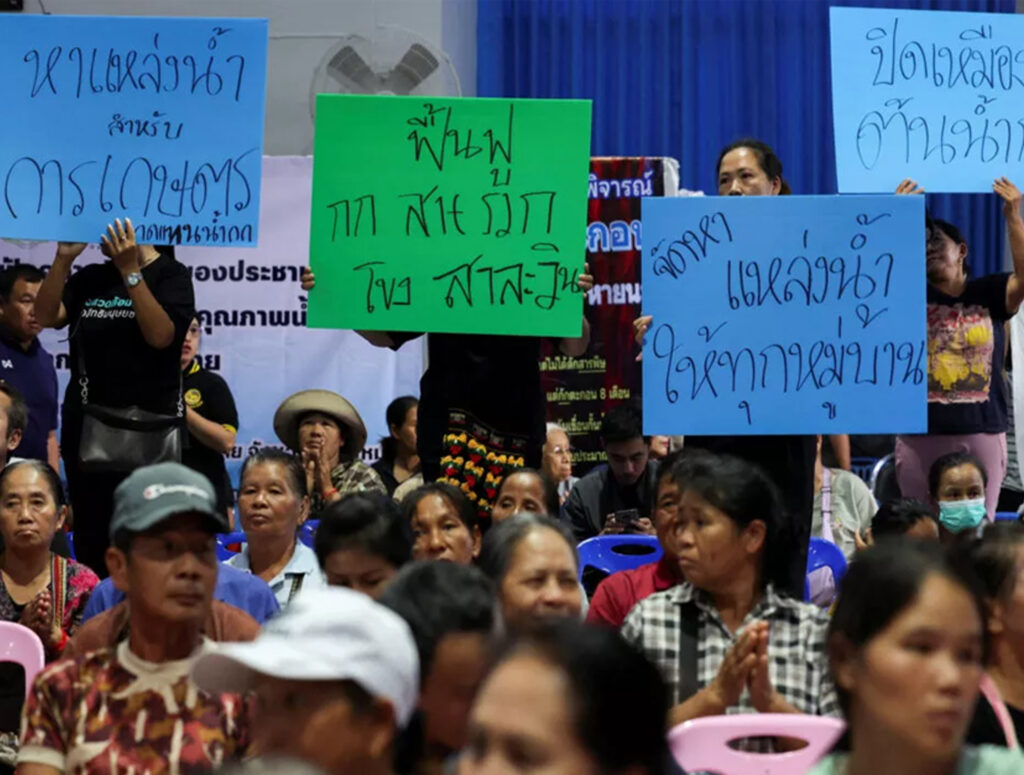
Laos remains one of the most illustrative cases. Regulatory reforms, notably the 2010 Decree on International Non-Governmental Organisations (INGOs)[39] and the 2017 Decree on Non-Profit Associations (NPAs)[40], were introduced under the banner of modernisation and improved governance. However, in practice, these policies have institutionalised state discretion. Approval timelines routinely exceed legal limits, reporting requirements have intensified, and provisions in the 2017 Criminal Code have expanded the scope for monitoring and intimidating civil society actors.[41] INGOs generally retain greater operational freedom than domestic groups, largely because their activities are technical or service-oriented. Yet, even INGOs face delays when working in politically sensitive areas linked to land governance, ethnic minority rights, or environmental accountability. Local civil society organisations face tighter restrictions embedded in a hierarchical system that fragments domestic civic actors and discourages collaboration. Coalition-building is disincentivised, and competition for funding adds additional challenges.
These developments do not occur in isolation. Across the Mekong, similar patterns emerge. Cambodia’s 2015 Law on Associations and NGOs provides broad discretionary power to restrict organisations deemed politically sensitive. In Thailand, the revival of the Draft Act on Associations and Foundations sits alongside expansive use of lèse majesté and national security legislation to detain or prosecute activists[42]. Vietnam, while permitting large national associations, ensures all operate within structures aligned with one-party control. Across all contexts, regulation is applied selectively, with groups supporting state development goals encountering fewer obstacles, while organisations engaged in advocacy, environmental justice, land rights, or human rights face delays, harassment, or closure.
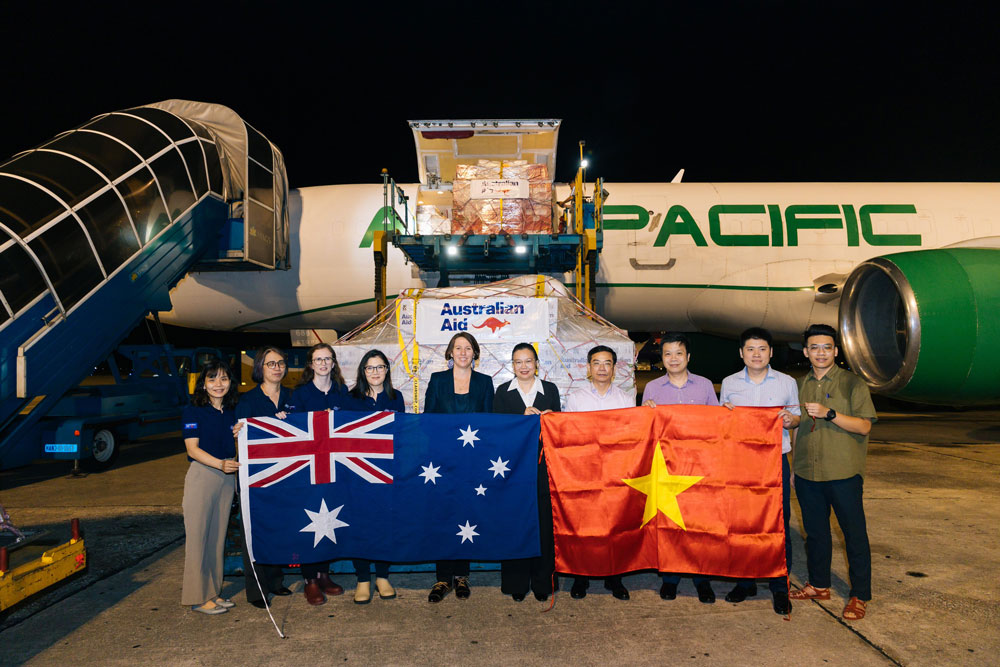
These restrictions often emerge in tandem with economic reforms. Mekong governments are keen to attract foreign investment and demonstrate administrative modernity, yet they remain wary of civic groups that may link economic change to broader demands for accountability. This dynamic creates an asymmetrical relationship in which donors and INGOs are welcomed when providing technical assistance or delivering services, but discouraged when supporting rights-based programming. In addition, declining donor presence, exemplified by the significant cut of USAID[43] and several European agencies in the Mekong region and beyond, has deepened this vulnerability. Southeast Asia and the Mekong region is one of the hardest hit by 2025 aid cuts, with estimates including that ODF to Southeast Asia will fall by more than $2 billion, back to about $26.5 billion by 2026, including a 20 per cent expected reduction in bilateral aid to Southeast Asia, which is projected to decline from about $11 billion in 2023 to $9 billion in 2026.[44] Reduced, project-based funding tied to government endorsements further limits room for independent initiatives and heightens dependency on state-defined priorities.
For development partners, including Australia, these dynamics require a rethinking of engagement models to stay relevant and a key partner. Traditional funding mechanisms that rely on formal registration, public advocacy, and detailed documentation are increasingly constrained. Donors must consider flexible, discreet, and locally grounded funding modalities such as strengthening informal networks, investing in organisational resilience, and sustaining diplomatic advocacy against restrictive legal reforms. In addition, regional networks, leadership development, and pooled funding arrangements may provide safer avenues for engagement. Effective support will depend on navigating political sensitivities while minimising risks to local actors.
Overall, the Mekong region exemplifies broader global shifts in which law, regulation, and bureaucracy are deployed and used to shape civic space. Civil society continues to play a meaningful role, but its capacity is contingent on politically adjusted engagement from international partners and the resilience of local actors in an increasingly restrictive environment.
KEY TREND | Aid and civil society in the Mekong region
RECOMMENDATIONS:
- Ensuring consistency in aid budgets and fulfilling commitments by donors, including Australia.
- Investment in leadership development and organisational resilience, particularly for local CSOs with limited staffing and high regulatory burdens.
- For Mekong countries to increase investment opportunities from other sources, including the private sector.
Concluding remarks
Southeast Asia is a fast-growing region with a lot of potential, particularly driven by its young population, an increased uptake of digitalisation and connectivity, alongside growing innovation and entrepreneurship. ASEAN combined as a block is the fifth-largest economy globally, and due to its significant geopolitical location, developments in Southeast Asia are crucial to follow due to their impact beyond the subregion.
As the region continues to evolve, its role in shaping the Asia-Pacific region and beyond will become even more evident. Addressing the five key trends (US tariffs, political reconfiguration, Vietnam artificial islands, Thai-Cambodian border conflict, and aid cuts and civil society) and highlighting recommendations over the next few years is important. This will be crucial for Southeast Asia in achieving a sustainable, inclusive, and economically prosperous subregion with the ability to accelerate growth and progress for its population and beyond.
About the authors

Dr Sovinda Po is Director at the Center for Southeast Asian Studies (CSEAS) of Royal University of Phnom Penh. His research agenda evolves the relationship between China and mainland Southeast Asia and the strategic use of minilateral institutions by both major powers and small states. His journal articles have appeared in Australian Journal of International Affairs, Asian Studies Review, Journal of Current Southeast Asian Affairs, European Journal of East Asian Studies, Southeast Asian Affairs, Journal of Greater Mekong Studies, Explorations: A Graduate Student Journal of Southeast Asian Studies, and UC Occasional Paper Series. His op-eds have appeared in the Diplomat, East Asia Forum, New Mandala, the Interpreter, ASEANFocus, IPP Review and Australian Outlook. He has also published many book chapters on China, Southeast Asia and the IndoPacific security. He is often quoted in the Phnom Penh Post, and the South China Morning Post, and also is interviewed by the Wire (Australia), the Voice of America and the Radio Free Asia. He received his PhD in Political Science with Award of Excellence in a Thesis Research from Griffith University, Australia.

Dr Andrea Haefner is a Senior Lecturer at the Griffith Asia Institute, a Senior Fellow of the Higher Education Academy, and has over 15 years of experience working with academia, government, and international organisations across Australia, Germany, and Southeast Asia, especially the Mekong region. Andrea has lived and worked for several years in Southeast Asia and is currently leading as Deputy Director WIL (Work Integrated Learning) Griffith Business School the award-winning Griffith Asia Business Internship Program, a global Work Integrated Learning program allowing Australian students to experience Asia through an overseas internship building upon well-established industry partner links.
Andrea’s research focuses on governing civil society in Southeast Asia and a strong interest in transboundary river basins in Southeast Asia, Latin America, and Europe, especially the Mekong River Basin. Besides publishing several peer-reviewed articles, Andrea’s book on Negotiating for Water Resources – Bridging Transboundary River Basins was published with Routledge in 2016. Andrea also worked on several projects on the ground in water resources management and climate change, focusing on the Mekong region.
Notes and references
[1] Government of Canada, Department of Finance. (2025). “Canada’s response to U.S. tariffs on Canadian goods.” Retrieved October 30, 2025, from https://www.canada.ca/en/department-finance/programs/international-trade-finance-policy/canadas-response-us-tariffs.html
[2] GIS Reports Online. (2025). “Southeast Asia’s economic model at risk due to U.S. tariffs.” Retrieved October 30, 2025, from https://www.gisreportsonline.com/r/asean-tariffs/; DFDL. (2025). “U.S. tariff increase on Cambodian garments: Key implications and strategic considerations.” Retrieved October 30, 2025, from https://www.dfdl.com/insights/legal-and-tax-updates/u-s-tariff-increase-on-cambodian-garments-key-implications-and-strategic-considerations/
[3] DFDL. (2025). “U.S. tariff increase on Cambodian garments: Key implications and strategic considerations.” Retrieved October 30, 2025, from https://www.dfdl.com/insights/legal-and-tax-updates/u-s-tariff-increase-on-cambodian-garments-key-implications-and-strategic-considerations/; B2B Cambodia. (2025). “Special Market Update – U.S. Modifies Tariff on Cambodia to 19%.” Retrieved October 30, 2025, from https://b2b-cambodia.com/news/1-august-2025-special-market-update-us-modifies-tariff-on-cambodia-to-19/
[4] ASEAN Briefing. (2025). U.S. tariffs in Asia 2025: A regional investment map. Retrieved October 31, 2025, from https://www.aseanbriefing.com/news/u-s-tariffs-in-asia-2025-a-regional-investment-map/
[5] Wang, J., Chen, H., & Maberry, J. S. (2025). “Shifts in U.S. trade in Asia: Key agreements from President Trump’s October 2025 Asia trip – Part I: Southeast Asia.” Retrieved November 10, 2025, from https://www.globaltradelawblog.com/2025/11/10/shifts-in-u-s-trade-in-asia-key-agreements-from-president-trumps-october-2025-asia-trip-part-i-southeast-asia/
[6] DFDL. (2025). “United States Imposes New Tariffs on ASEAN Exports Under Executive Order on Reciprocal Tariff Rates.” Retrieved November 22, 2025, from https://www.dfdl.com/insights/legal-and-tax-updates/thailand-united-states-imposes-new-tariffs-on-asean-exports-under-executive-order-on-reciprocal-tariff-rates/
[7] Weisel, B. (2025). “For ASEAN Members, Trump’s Bilateral Trade Deals May Be the Least-Worst Option.” Retrieved November 22, 2025, from https://carnegieendowment.org/emissary/2025/10/malaysia-cambodia-trade-deal-trump-tariffs-asean-skeptical?lang=en; Wang, J., Chen, H., & Maberry, J. S. (2025). “Shifts in U.S. trade in Asia: Key agreements from President Trump’s October 2025 Asia trip – Part I: Southeast Asia.” Retrieved November 10, 2025, from https://www.globaltradelawblog.com/2025/11/10/shifts-in-u-s-trade-in-asia-key-agreements-from-president-trumps-october-2025-asia-trip-part-i-southeast-asia/
[8] Supply Chain Asia. (2024). “Southeast Asia: The heart of global supply chain resilience.” Retrieved October 30, 2025, from https://supplychainasia.org/southeast-asia-the-heart-of-global-supply-chain-resilience/ ; McKinsey & Company. (2024). “Diversifying global supply chains: Opportunities in Southeast Asia.” Retrieved October 30, 2025, from https://www.mckinsey.com/industries/logistics/our-insights/diversifying-global-supply-chains-opportunities-in-southeast-asia
[9] Vietnam National Trade Repository. (2025). “ASEAN aims to strengthen intra-regional trade linkages to enhance the region’s economic resilience.” Retrieved October 30, 2025, from https://vntr.moit.gov.vn/news/asean-aims-to-strengthen-intra-regional-trade-linkages-to-enhance-the-regions-economic-resilience; ASEAN Briefing. (2025). “Cambodia’s 2025 Economic Outlook and Investment Opportunities for Foreign Investors.” Retrieved October 30, 2025, from https://www.aseanbriefing.com/news/cambodias-2025-economic-outlook-and-investment-opportunities-for-foreign-investors/
[10] ASEAN Briefing. “Thailand–Cambodia Border Clashes and Martial Law.” ASEAN Business News, July 26, 2025. Thailand–Cambodia Border Clashes: Causes, Escalation, and ASEAN Impact; Sebastian Strangio. “The Roots of the Thailand-Cambodia Border Conflict The acrimonious dispute, which flared into violence last week, concerns much more than a few square kilometers of rugged territory.” The Diplomat, July 28, 2025. The Roots of the Thailand-Cambodia Border Conflict – The Diplomat
[11] TRT World. “Temples or Treason? Reasons That Led to the Cambodia–Thailand Border Escalation.” TRT World, July 30, 2025. TRT World – Temples or treason? Reasons that led to the Cambodia-Thailand flare-up
[12] ASEAN Briefing. “Thailand–Cambodia Border Clashes and Martial Law.” ASEAN Business News, July 26, 2025. Thailand–Cambodia Border Clashes: Causes, Escalation, and ASEAN Impact.
[13] Royal Government of Cambodia (2025). “Cambodia Submits Official Request to ICJ,” 15 June, 2025. https://pressocm.gov.kh/en/archives/111577
[14] Cambodianess (2025). “15-Member Commission Spearheads Cambodia’s ICJ Border Bid.” 9 June, 2025. https://cambodianess.com/article/15-member-commission-spearheads-cambodias-icj-border-bid
[15] Wheeler, Matthew. 01 July 2025. “Border Dispute with Cambodia Sparks Political Disarray in Thailand.” International Crisis Group. https://www.crisisgroup.org/asia-pacific/thailand-cambodia/border-dispute-cambodia-sparks-political-disarray-thailand
[16] Human Rights Research (2025). “Civilians Under Fire: Human Rights Violations Mount in Thailand–Cambodia Border Conflict.” August 3, 2025. https://www.humanrightsresearch.org/post/civilians-under-fire-human-rights-violations-mount-in-thailand-cambodia-border-conflict; FSI Stanford (2023). “Thailand and Cambodia: The Battle for Preah Vihear.” January 24, 2023. https://spice.fsi.stanford.edu/docs/thailand_and_cambodia_the_battle_for_preah_vihear
[17] FSI Stanford (2023). “Thailand and Cambodia: The Battle for Preah Vihear.” January 24, 2023. https://spice.fsi.stanford.edu/docs/thailand_and_cambodia_the_battle_for_preah_vihear; Sebastian Strangio (2025). “The Roots of the Thailand-Cambodia Border Conflict.” The Diplomat, July 27, 2025. https://thediplomat.com/2025/07/the-roots-of-the-thailand-cambodia-border-conflict/.
[18] Sebastian Strangio. “The Roots of the Thailand-Cambodia Border Conflict The acrimonious dispute, which flared into violence last week, concerns much more than a few square kilometers of rugged territory.” The Diplomat, July 28, 2025. The Roots of the Thailand-Cambodia Border Conflict – The Diplomat
[19] Poling, G B (2024). The Passing of Vietnam Party Chief Nguyen Phu Trong, https://www.csis.org/analysis/passing-vietnam-party-chief-nguyen-phu-trong
[20] Government of Vietnam (2025) Resolution No. 176/2025/QH15, https://datafiles.chinhphu.vn/cpp/files/vbpq/2025/02/176-qh.signed.pdf
[21] APOLAT (2025) Resolution No. 60-NQ/TW on the eleventh plenum of the 13th central committee of the communist party of Vietnam, https://apolatlegal.com/laws/resolution-no-60-nq-tw-on-the-eleventh-plenum-of-the-13th-central-committee-of-the-communist-party-of-vietnam/
[22] Vietnam Law & Legal Forum (2025) Party General Secretary presents Politburo decisions on personnel work, 4 November 2025, https://vietnamlawmagazine.vn/party-general-secretary-presents-politburo-decisions-on-personnel-work-75747.html
[23] Nishizawa, T (2025) Laos’s reforms set the stage for leadership transition, East Asia Forum, 11 November 2025, Laos’s reforms set the stage for leadership transition | East Asia Forum
[24] LPDR (20225) Resolution on Organizational Restructuring (No. 03/CEC), 12 March 2025, Organisational-Restructure-of-GoL.pdf
[25] Nishizawa, T (2025) Laos’s reforms set the stage for leadership transition, East Asia Forum, 11 November 2025, Laos’s reforms set the stage for leadership transition | East Asia Forum https://eastasiaforum.org/2025/11/11/laoss-reforms-set-the-stage-for-leadership-transition/
[26] Asia Maritime Transparency Initiative, “Ripple Effects: Vietnam’s Island Building in the South China Sea,” CSIS, 2023, https://www.csis.org/analysis/ripple-effects-vietnams-island-building-south-china-sea.
[27] For details, please see https://www.washingtonpost.com/world/interactive/2024/vietnam-south-china-sea-islands-growth/
[28] Harrison Prétat, “The Ripple Effects of Vietnam’s Island-Building in the South China Sea,” CSIS, March 31 2025, https://www.csis.org/analysis/ripple-effects-vietnams-island-building-south-china-sea.
[29] Ian Storey, Maritime Security in Southeast Asia: Challenges and Responses, 33.
[30] Asia Maritime Transparency Initiative, “Scaling Up.”
[31] Mike Firn, “Vietnam Expands Island Building in Disputed Waters,” Radio Free Asia, March 27 2025, https://www.rfa.org/english/vietnam/2025/03/27/south-china-sea-spratly-islands-reclamation/.
[32] Thayer, “Vietnam’s Strategy in the South China Sea,” 12.
[33] Storey, Maritime Security in Southeast Asia, 44.
[34] Ibid.
[35] “Rivals in the South China Sea Developing Artificial Islands Have Destroyed 28.3 Square Kilometres of Coral Reefs,” Radio Free Asia, January 31 2025, https://www.rfa.org/english/southchinasea/2025/01/31/south-china-sea-environment-reef-damage/.
[36] Monica Sato, Harrison Prétat, and Gregory B. Poling, “Deep Blue Scars: Environmental Threats to the South China Sea” (Washington, DC: Asia Maritime Transparency Initiative, Center for Strategic and International Studies, December 18, 2023), https://amti.csis.org/deep-blue-scars-environmental-threats-to-the-south-china-sea/.
[37] Ian Storey, “Vietnam, China, and ASEAN’s Code of Conduct,” ISEAS Perspective, no. 53 (2019), https://www.iseas.edu.sg/articles-commentaries/iseas-perspective/2019-53-vietnam-china-and-aseans-code-of-conduct-by-ian-storey/.
[38] Asia Maritime Transparency Initiative, “Vietnam’s Island Building: Double-Standard or Drop in the Bucket?,” May 11 2016, https://amti.csis.org/vietnams-island-building/.
[39] LPDR. (2010, 8 January). Decree on International Non-Governmental Organizations (INGOs) (No. 013/PM). Prime Minister’s Office.
[40] LPDR. (2009, 29 April). Decree on Associations (No. 115/PM). Prime Minister’s Office.
[41] LPDR. (2017). Penal Code (No. 13/2017), https://www.wipo.int/wipolex/en/legislation/details/20158
[42] Human Rights Watch (2025). Thailand – Events of 2023, https://www.hrw.org/world-report/2024/country-chapters/thailand
[43] Freeman, N J. (2025). US AID Cuts and Travel Ban Will Impact Laos, 25 April 2025, https://fulcrum.sg/us-aid-cuts-and-travel-ban-will-impact-laos/
[44] Dayant, A et al (2025). Southeast Asia AID Map 2025 Key Findings Report, Lowy Institute, https://seamap.lowyinstitute.org/assets/downloads/Lowy%20Institute%20Southeast%20Asia%20Aid%20Map%20-%202025%20Key%20Findings%20Report.pdf?utm_source=chatgpt.com