Remembering Colin Mackerras: A legacy of mentorship and generosity
HUI FENG |
Professor Colin Mackerras embodied many of the qualities of the great Sinologists of his generation: a deep passion for Chinese culture and a genuine curiosity about the lives and experiences of the Chinese people. Above all, however, he will be remembered for the humility, warmth, respect and his own sense of humour with which he engaged colleagues and students alike.
These qualities were central to his approach to academic life and to the way he supported those beginning or developing their research careers. His contribution extended beyond his own scholarship to the people he encouraged, the knowledge he shared and the opportunities he created for others to learn. For early career researchers navigating the demands of academia, the guidance of an experienced scholar who is willing to share their time and expertise can be particularly valuable.
I joined Griffith University in late 2013, and it took me some time to realise that Colin had, in fact, retired almost a decade earlier. Such was his continuing presence in university life through academic engagement, research supervision and participation in events representing the University and GAI. Over the years, it has been a unique privilege for those of us at Griffith to benefit from his expertise and insight on China, the wider world, and everything in between.
I vividly recall the seminar he delivered for the GAI earlier this year on the state of Australia–China relations where he spoke to a packed audience both online and in person.
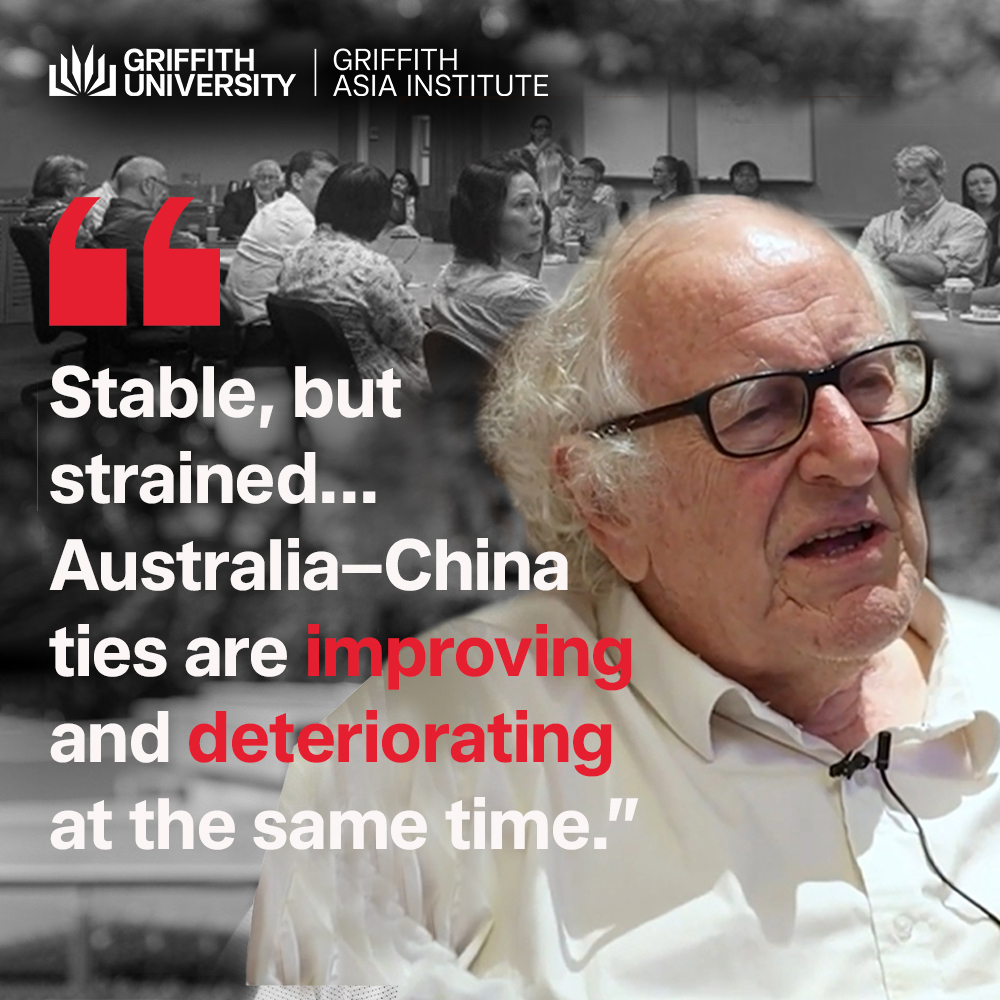
His continued involvement in university life was a reminder that retirement need not mean withdrawing from the academic community. Colin remained engaged with research, discussion and the exchange of ideas, demonstrating the value of maintaining connections across generations of scholars. His willingness to contribute to seminars, participate in university events and share his perspectives helped sustain an environment in which knowledge and experience could be passed on to others.
Colin was also exceptionally generous in mentoring the next generation of scholars. I learned much from his advice on academic career development and HDR supervision. We co-supervised an Honours thesis together and, true to form, he volunteered to take on the principal supervisory role.
For early career researchers, mentorship can make a lasting difference, offering both practical guidance and the confidence to pursue challenging research questions. Colin’s example showed how academic leadership could be exercised through generosity, collaboration and a willingness to support the development of others. His approach to supervision reflected a broader commitment to scholarship as a shared endeavour, in which experienced academics have a role in helping emerging researchers build their knowledge, confidence and capabilities.
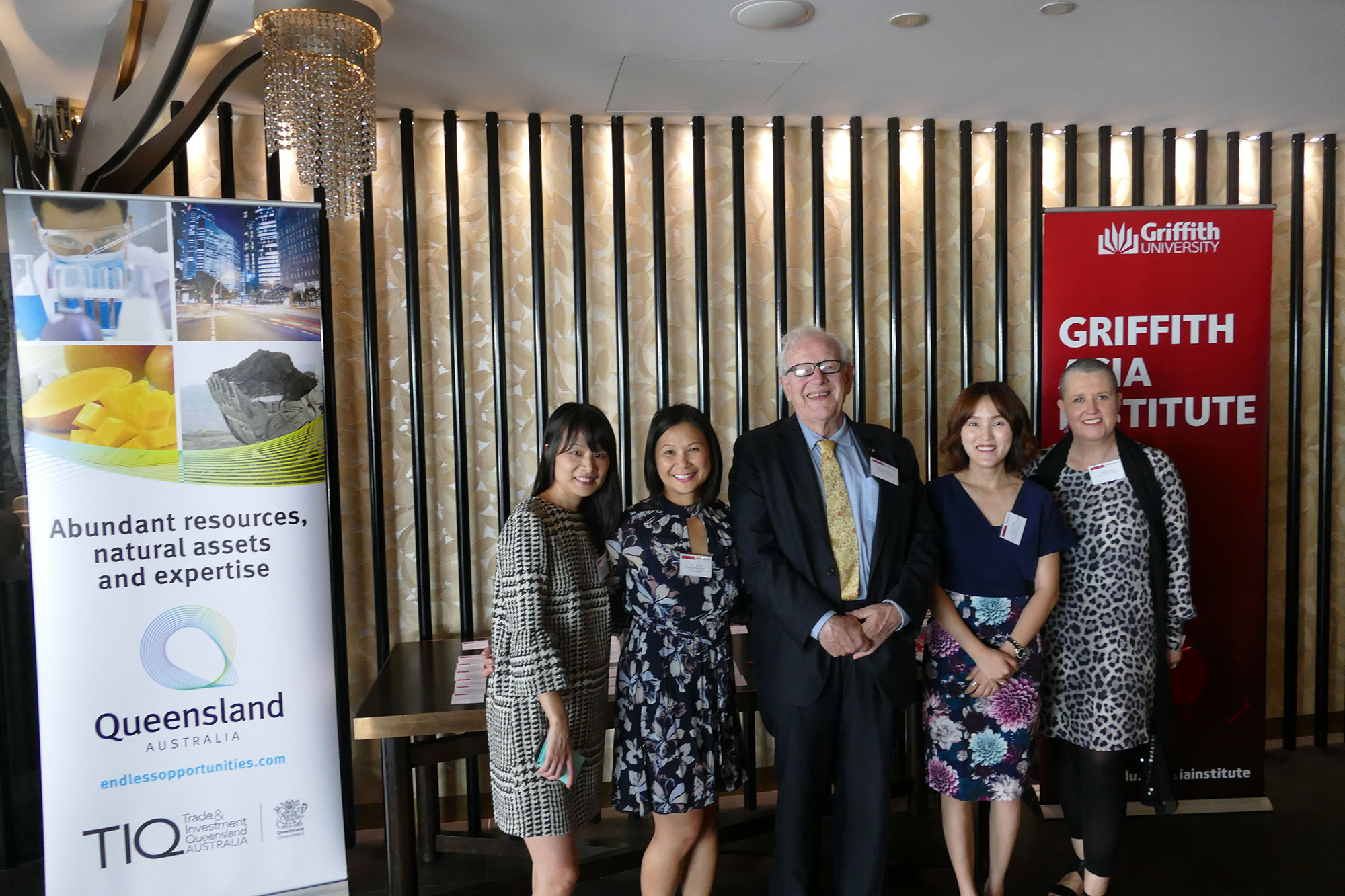
The influence of such mentorship extends well beyond an individual research project or supervisory relationship. By sharing his experience and encouraging others to develop their own expertise, Colin helped strengthen the academic community and support the continuation of research on China and its place in the wider world. His legacy therefore lies not only in his substantial scholarly contributions, but also in the people whose academic journeys he helped shape.
Farewell, Colin. You will be remembered as an outstanding scholar, a valued colleague and a cherished friend.
AUTHOR
Dr Hui (Steve) Feng is a member of the Griffith Asia Institute