Remembering Colin Mackerras: A champion of Asian studies
LEONG LIEW |
Colin Mackerras is widely known as a prodigious scholar of China. Yet I believe he would have preferred to be remembered as a dedicated teacher, a champion of Asian studies, and a tireless advocate for stronger Australia–China relations. His former students—especially the graduate researchers he supervised—are best placed to describe him as a thesis adviser and mentor. In this brief tribute, I focus on his enduring commitment to Asian studies and to mutual understanding between Australia and China.
Colin was the Foundation Professor of Modern Asian Studies in Griffith University’s School of Modern Asian Studies (MAS), one of the university’s four foundation schools. Under his leadership, Griffith built an Asian studies program that, by the time I joined the renamed Faculty of Asian and International Studies (AIS), was second in scale and reputation only to that of the Australian National University.
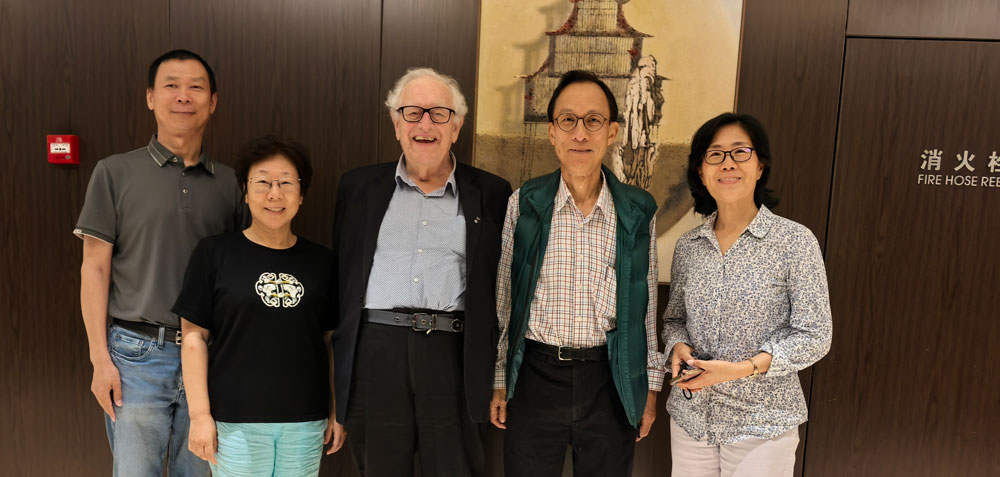
That prominence did not endure. Like comparable departments at other Australian universities, AIS and its successor departments had to respond to world events, changing government policies and shifting student preferences, all of which contributed to declining enrolments. Even Asian studies at the Australian National University faced similar pressures. At Griffith, International Business and Asian Studies was the last department to have “Asian Studies” in its name. It eventually disappeared from the department’s name, and despite Colin’s best efforts, the standalone Bachelor of Asian Studies was discontinued.
Colin was deeply disappointed by the gradual erosion of the teaching and standing of Asian studies in Australia, particularly at Griffith. He was equally concerned by what he saw as a shift in Australian foreign policy from “seeking security in Asia” to “seeking security from Asia”. Yet he never surrendered to pessimism. He remained convinced that his writing and public engagement could help shape public opinion and government policy.
He spoke frequently about Chinese society and culture at academic and community events.
He contributed consistently to public discussion of Australia–China relations.
Long after retiring, he remained a regular guest lecturer at a Gold Coast City Council community centre.
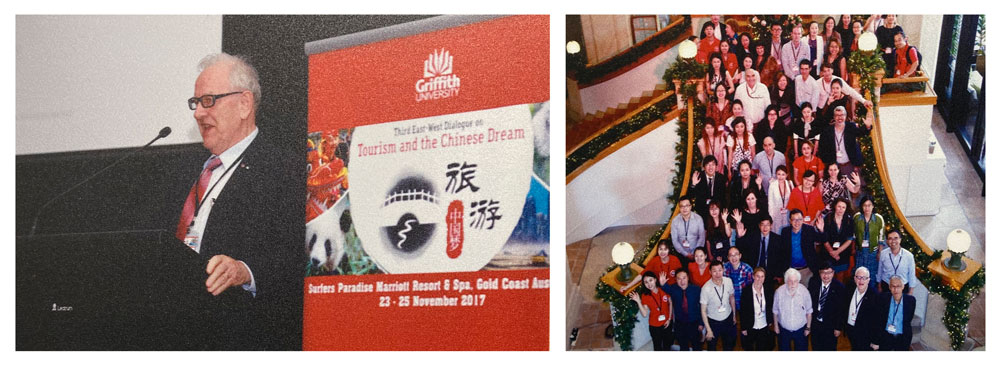
Colin believed that a wider understanding of Chinese society and culture would strengthen Australia–China relations across academia, community, and government. A world authority on Chinese opera, he continued this and other academic work after retirement. One of his last major academic projects was serving as a foreign consulting editor for the English translations in the ten-volume Chinese–English series China’s Representative Intangible Cultural Heritage (中国世界级非遗文化悦读系列), published by Nanjing University Press in 2024.
Australia has lost a major scholar of Asian studies, and many former students and younger colleagues have built upon the foundations he laid.
Colin interpreted China for the wider world and impressed upon Australians the importance of understanding Asia—not only through education, but also through sustained public engagement.
Throughout his life, he worked with conviction to improve relations with one of Australia’s most important neighbours.
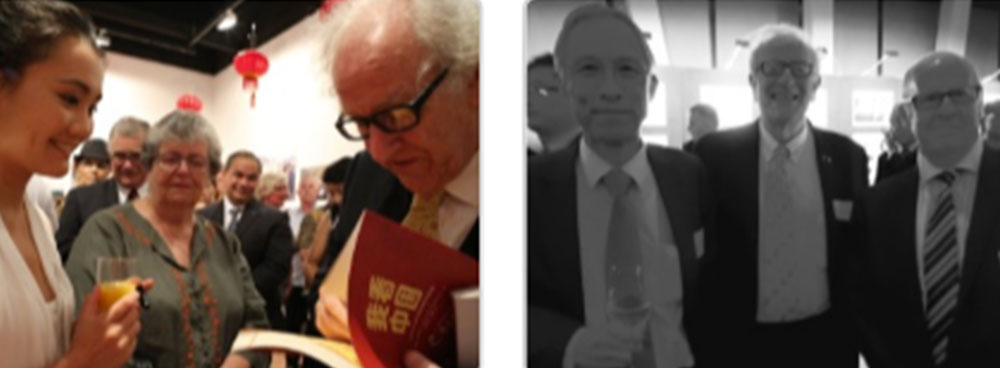
AUTHOR
Professor Leong H. Liew is the former Head of Department, International Business and Asian Studies at Griffith University